Flash Deals Live 🔥 Upgrade to Xeno Digital Lock — FREE Letter box Lock Included | Limited Time Only – Secure Your Home & Save Today!

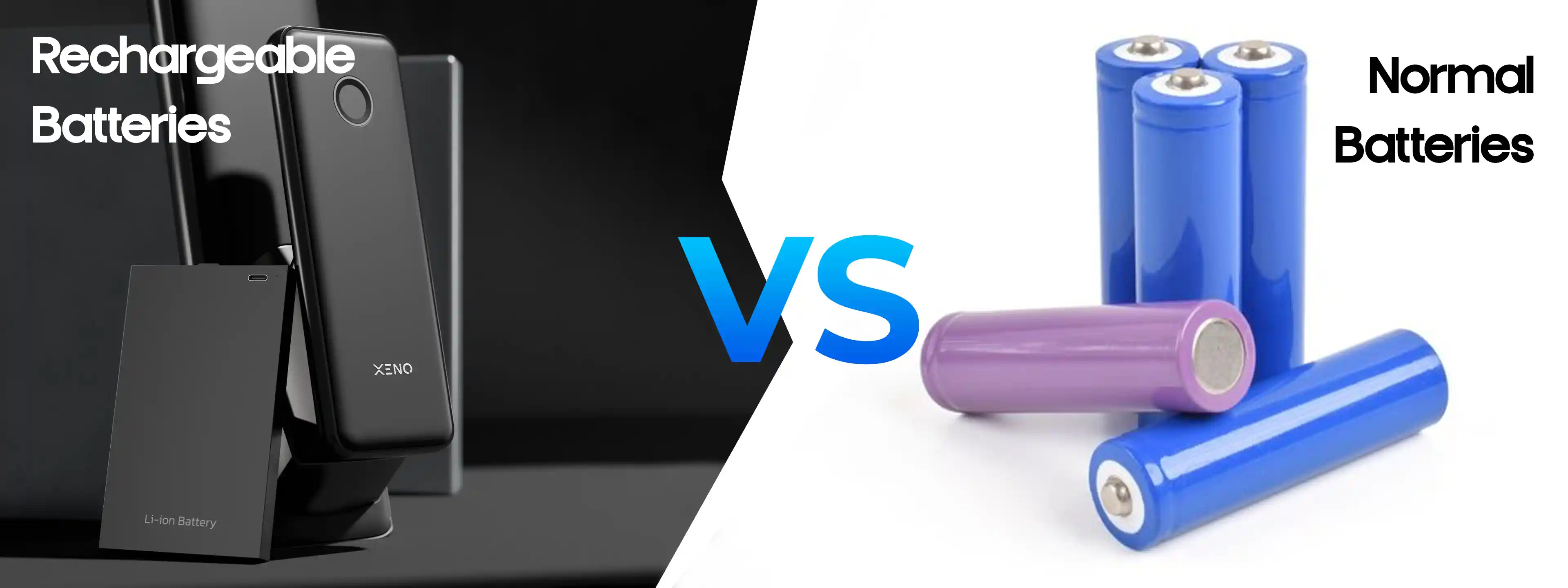
Rechargeable Batteries vs Normal Batteries for Digital Locks

If you own a digital door lock or are planning to install one, you’ve probably asked:
Should I use rechargeable batteries or normal alkaline batteries for my digital lock?
It seems like a small decision — but the type of battery you use directly affects:
- Lock performance
- Sensor accuracy
- Battery lifespan
- Risk of lockouts
For homeowners in Malaysia, especially in humid cities like Johor Bahru and Kuala Lumpur, choosing the right battery type is even more important.
This guide explains the real differences between rechargeable and normal batteries for digital locks — and which one you should actually use.
Why Battery Choice Matters for Digital Locks
Digital locks are not like remote controls or wall clocks.
They power:
- Biometric fingerprint sensors
- Face recognition modules
- Motorised locking mechanisms
- Keypad lighting
- Security chips
These components require stable and consistent voltage.
Using the wrong battery type can lead to:
- Slow unlocking
- Fingerprint misreads
- Random beeping
- Early low-battery alerts
- Lock failure
Let’s break it down properly.
Normal Alkaline Batteries (Recommended Option)
Most digital lock manufacturers recommend AA alkaline batteries.
How They Work
Alkaline batteries provide:
- 1.5 volts per cell
- Stable voltage output
- Strong power for motorised locks
Most digital locks require 4–8 AA alkaline batteries.
Advantages of Normal Alkaline Batteries
1. Stable Voltage
Digital locks are designed around 1.5V alkaline cells.
This ensures:
- Accurate fingerprint recognition
- Smooth motor operation
- Reliable locking mechanism
2. Longer Shelf Life
Alkaline batteries:
- Last 6–12 months in most digital locks
- Discharge slowly
- Have predictable low-battery warning timing
3. Lower Risk of Voltage Drop
Rechargeables gradually lose voltage.Alkaline batteries maintain voltage until near depletion.
This is important for:
- Biometric accuracy
- Auto-lock consistency
4. Manufacturer Compatibility
Most lock brands are tested using alkaline batteries.
Brands designed for Malaysian homes — such as Xeno — typically recommend alkaline batteries for optimal performance.
Rechargeable Batteries (Not Always Ideal)
Rechargeable batteries seem attractive because:
- They reduce waste
- They save money long term
- They can be reused
However, they behave differently from alkaline batteries.
Key Differences
Most rechargeable AA batteries provide:
- 1.2 volts per cell
- Slightly lower voltage than alkaline
This small difference matters more than most people realise.
Problems with Rechargeable Batteries in Digital Locks
1. Lower Voltage (1.2V vs 1.5V)
Digital locks expect 1.5V.
With 1.2V batteries:
- Lock may show low battery early
- Motor may operate slower
- Biometric sensors may misread
Even if batteries are fully charged, the lock may think they are weak.
2. Faster Voltage Drop
Rechargeable batteries lose voltage gradually.
This can cause:
- Inconsistent unlocking
- Delayed response
- Unexpected shutdown
3. Shorter Runtime
In digital locks, rechargeables often last:
- 2–4 months
Compared to alkaline:
- 6–12 months
This means more frequent battery changes.
4. Risk of Lock Malfunction
Some locks:
- Do not support rechargeable batteries
- May behave unpredictably
Always check manufacturer guidance.
When Are Rechargeable Batteries Acceptable?
Rechargeables may be used if:
- The manufacturer explicitly allows it
- You use high-quality NiMH batteries
- You monitor battery levels closely
However, they are generally not recommended for main entrance locks.
Cost Comparison
Alkaline Batteries
- Lower upfront cost
- Replaced once or twice a year
- Reliable performance
Rechargeable Batteries
- Higher upfront cost
- Require charging equipment
- More frequent replacement cycle
In practice, the cost difference is minimal compared to the value of a functioning lock.
What About Lithium Batteries?
Some homeowners ask about lithium AA batteries.
Lithium batteries offer:
- Longer lifespan
- Stronger performance in extreme temperatures
- Lightweight construction
They are excellent but:
- More expensive
- Not always necessary for indoor locks
For most Malaysian homes, alkaline batteries are sufficient.
Best Battery Practices for Digital Locks
Regardless of battery type, follow these guidelines:
- Always replace all batteries at the same time
- Do not mix old and new batteries
- Do not mix different brands
- Replace immediately when low-battery warning appears
- Use reputable battery brands
Proper battery care prevents 90% of lock issues.
How Often Should You Replace Digital Lock Batteries?
In Malaysia:
- Fingerprint locks: 6–12 months
- Face recognition locks: 4–8 months
- Gate digital locks (outdoor use): 4–6 months
Humidity and heavy usage can shorten lifespan.
What Happens If the Battery Dies?
Modern digital locks include:
- Low battery warning beeps
- Flashing indicators
- Emergency power port (power bank access)
- Mechanical key override
A complete lockout is rare if warnings are not ignored.
Environmental Considerations
If sustainability matters to you:
- Use alkaline batteries responsibly
- Recycle used batteries properly
- Consider high-quality lithium for longer lifespan
Do not sacrifice lock reliability for battery reuse convenience.
Frequently Asked Questions (FAQ)
1. Can I use rechargeable batteries in my digital lock?
Most manufacturers do not recommend it due to lower voltage output.
2. Why does my lock show low battery even with rechargeables?
Rechargeables provide 1.2V instead of 1.5V, triggering early warnings.
3. How long do alkaline batteries last in digital locks?
Typically 6–12 months depending on usage.
4. Are lithium batteries better?
They last longer but cost more. Alkaline is sufficient for most homes.
5. Will my lock stop working suddenly?
No. It will give multiple low-battery warnings first.
6. Should I mix battery brands?
No. Always use identical new batteries.
7. What is the safest battery type for digital locks?
High-quality alkaline AA batteries.